

About Me
Where this work comes from
I came to this work through health care, crisis, and systems under strain. Like many clinicians and leaders, I was trained to move quickly, decide under pressure, and carry responsibility without hesitation. That training mattered. It still does.
Over time, though, I learned that expertise and authority are not enough when the work involves loss, identity, values in tension, and people who no longer agree on what the problem is. These are not technical problems. They are adaptive ones.
My current practice is grounded in Adaptive Leadership, a body of work developed by Ron Heifetz and colleagues that reframed leadership for me as a practice rather than a role. Leadership, in this sense, is not about having answers or protecting people from discomfort. It is about mobilizing people to face difficult realities, learn their way forward, and take responsibility for the losses that real change requires.
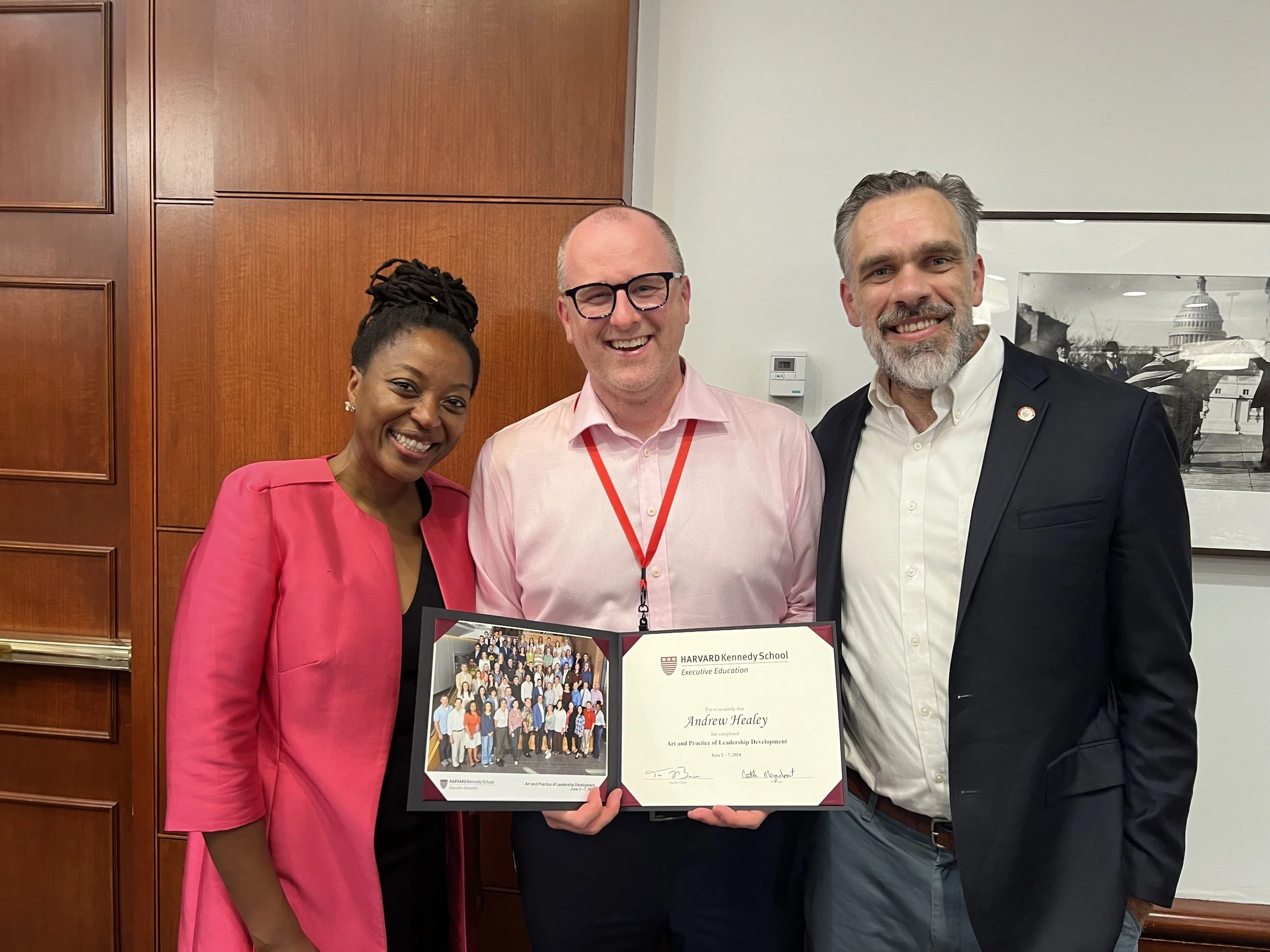
Before fully inhabiting this framework, I spent years working in crisis leadership and meta-leadership, including training through the National Preparedness Leadership Initiative at Harvard. Those tools remain important to me. They sharpen how systems coordinate, how authority functions, and how action moves across boundaries. What adaptive leadership added was an inside-out discipline: an insistence that how I show up, what I defend, and what I avoid are not side issues, but central data.
Identity shapes practice
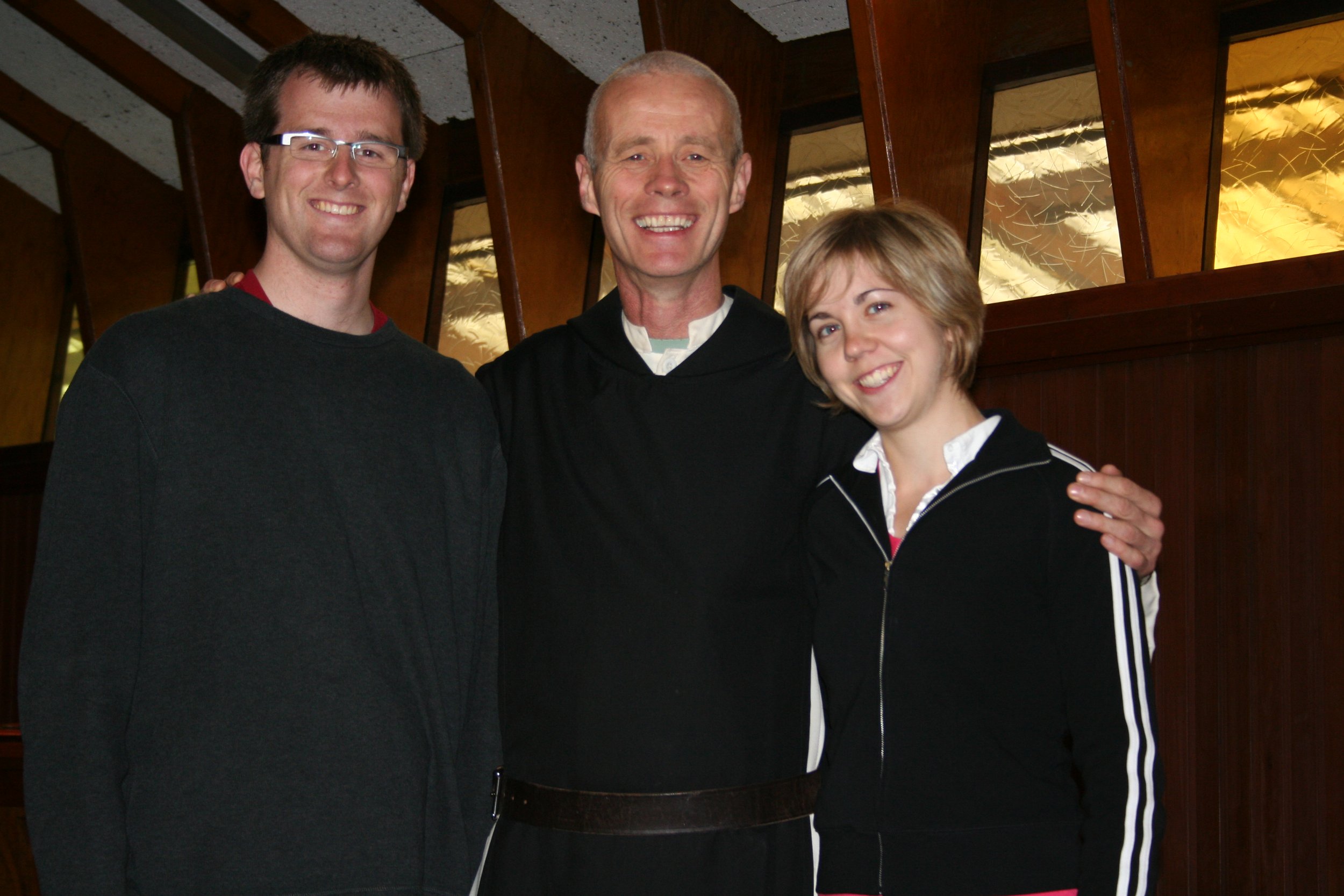
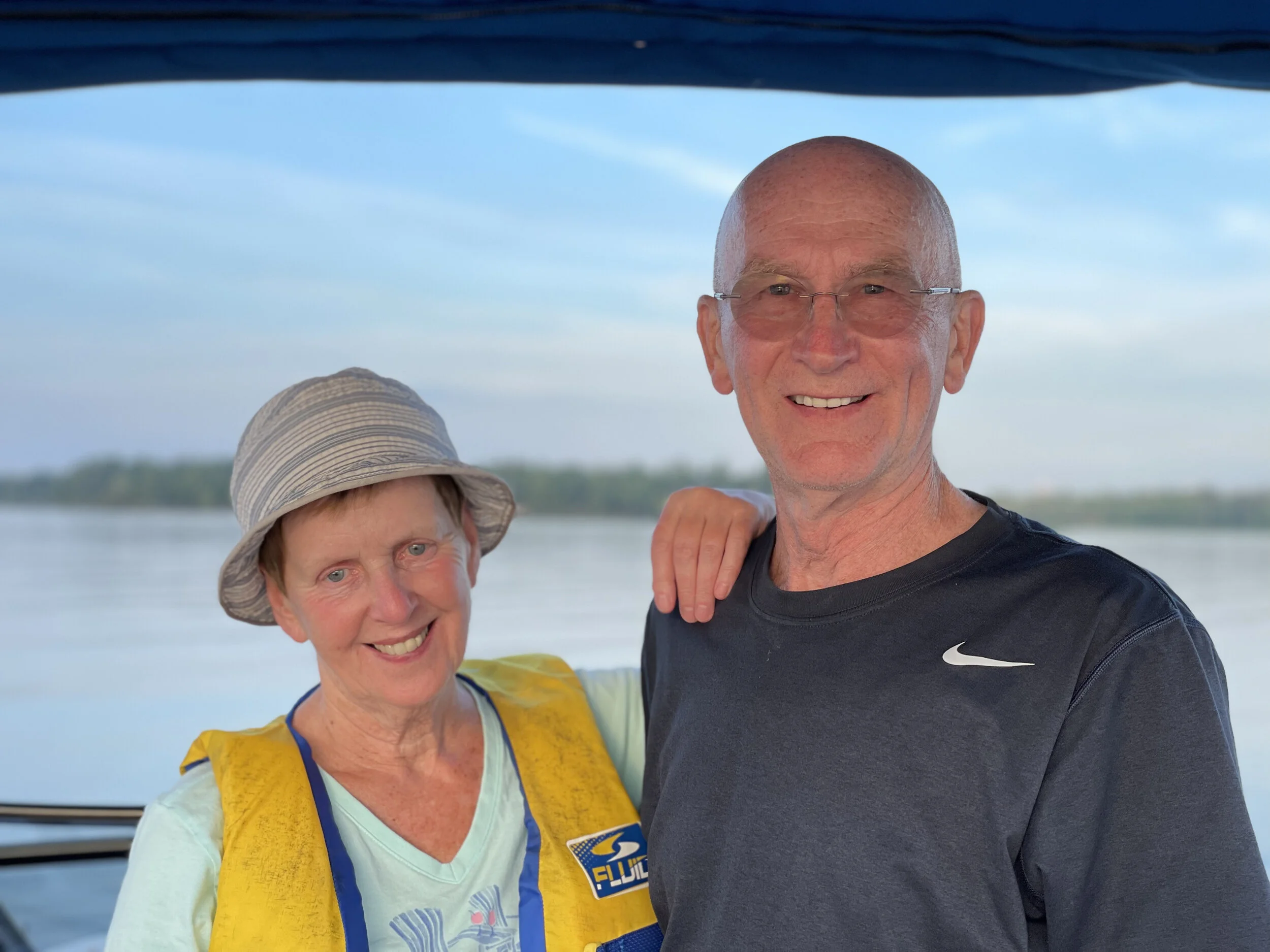
I am a son, a partner, a parent, a physician, and a teacher. None of these identities sit outside my leadership practice. They are the ground it grows from.
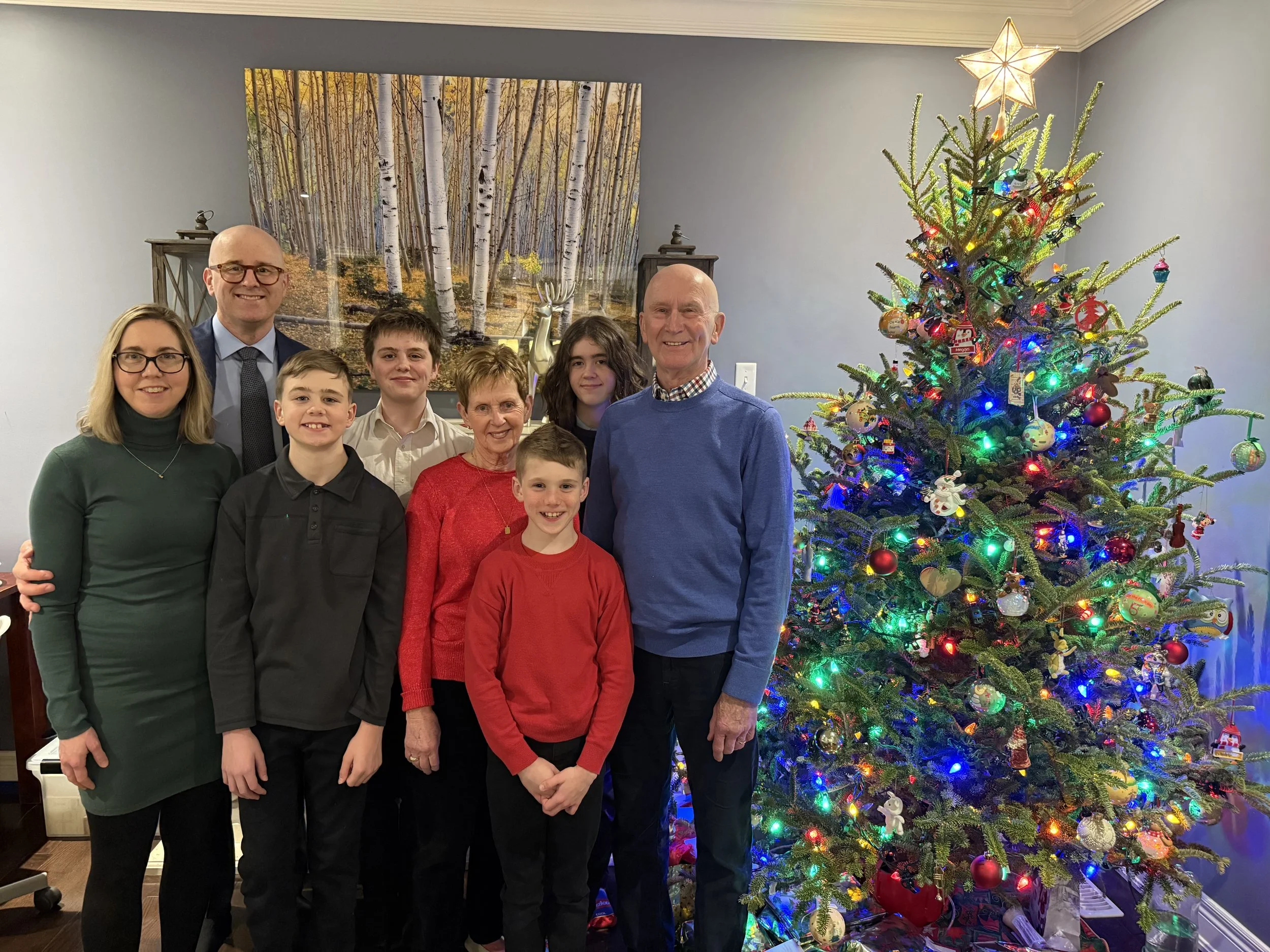
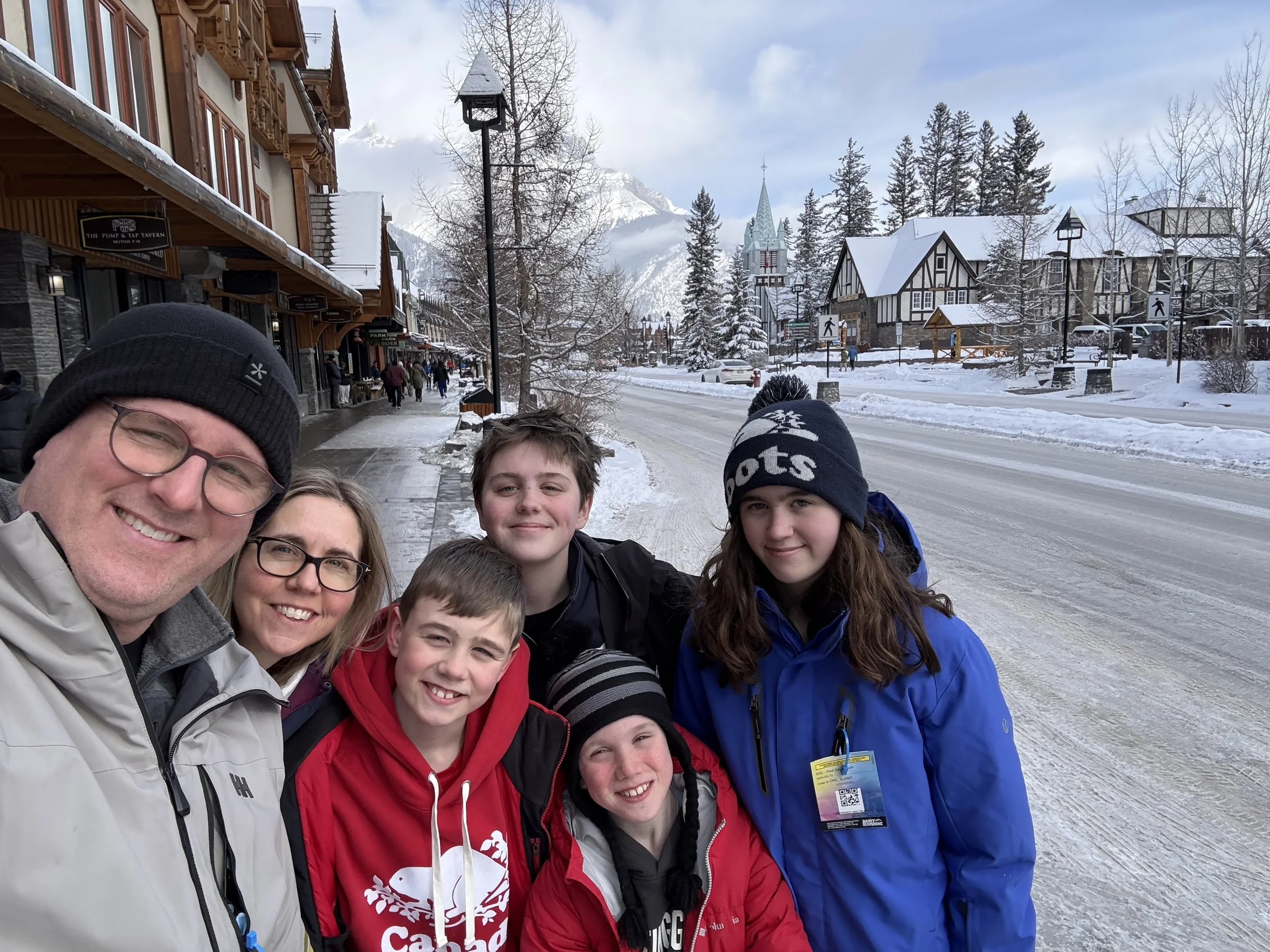
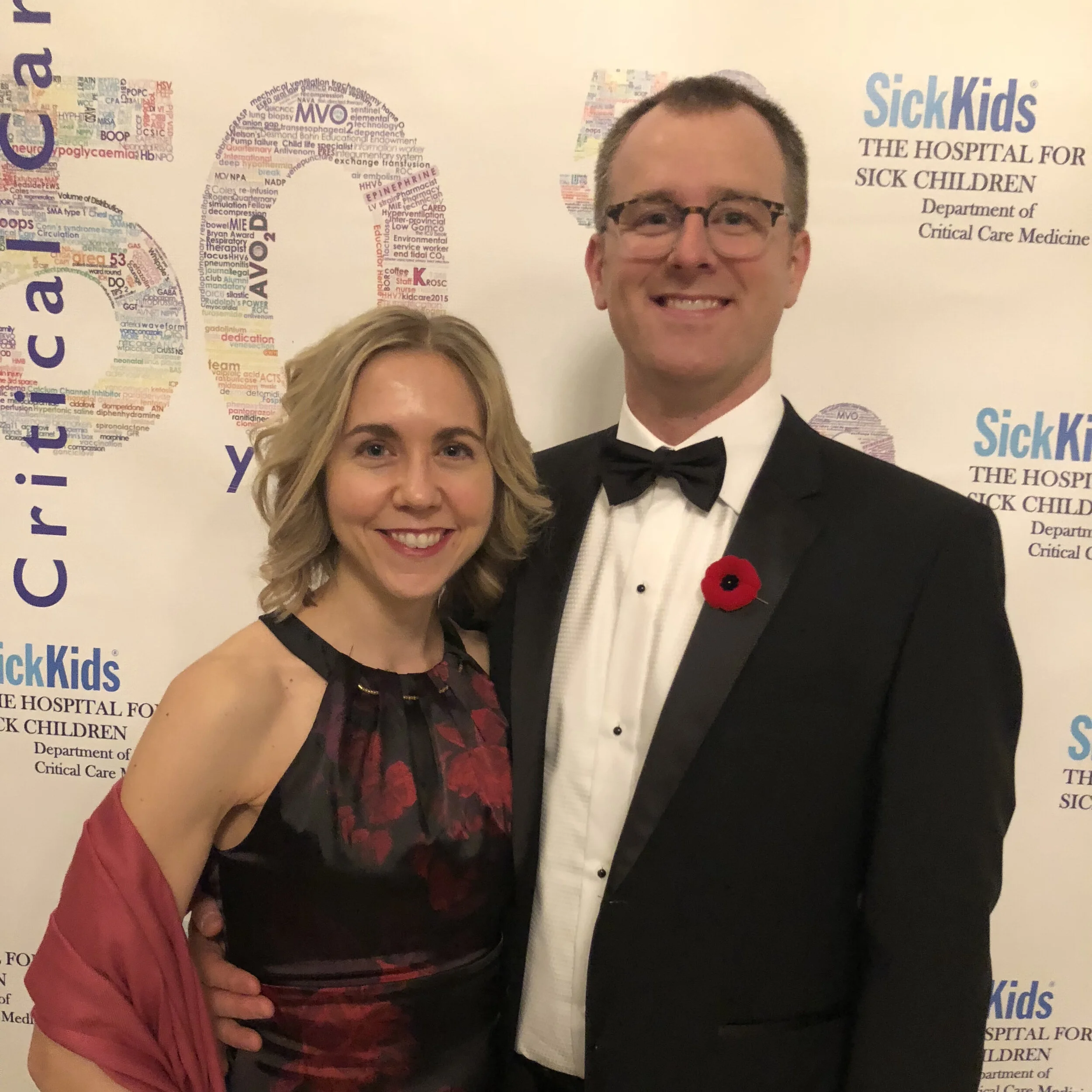
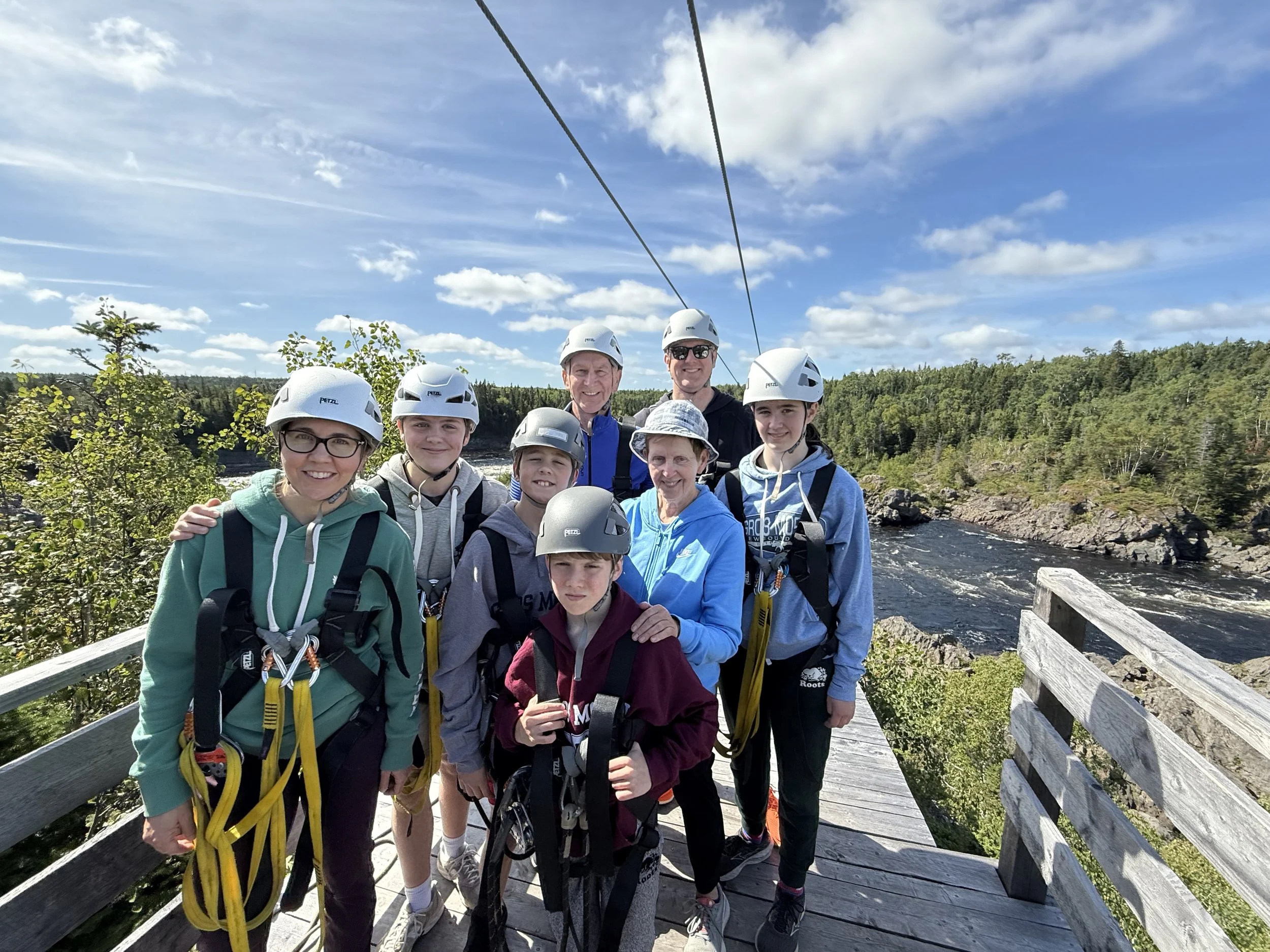
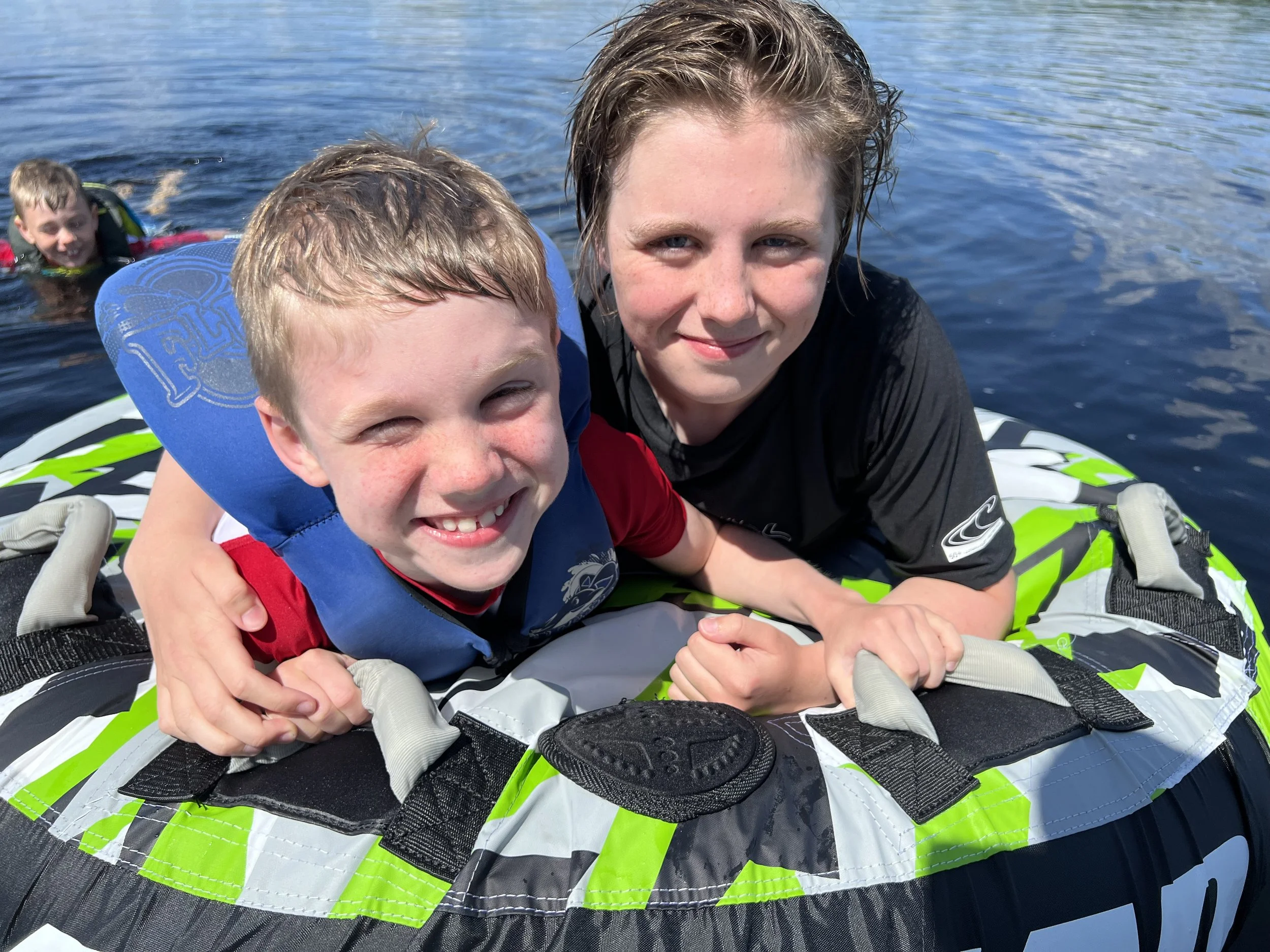
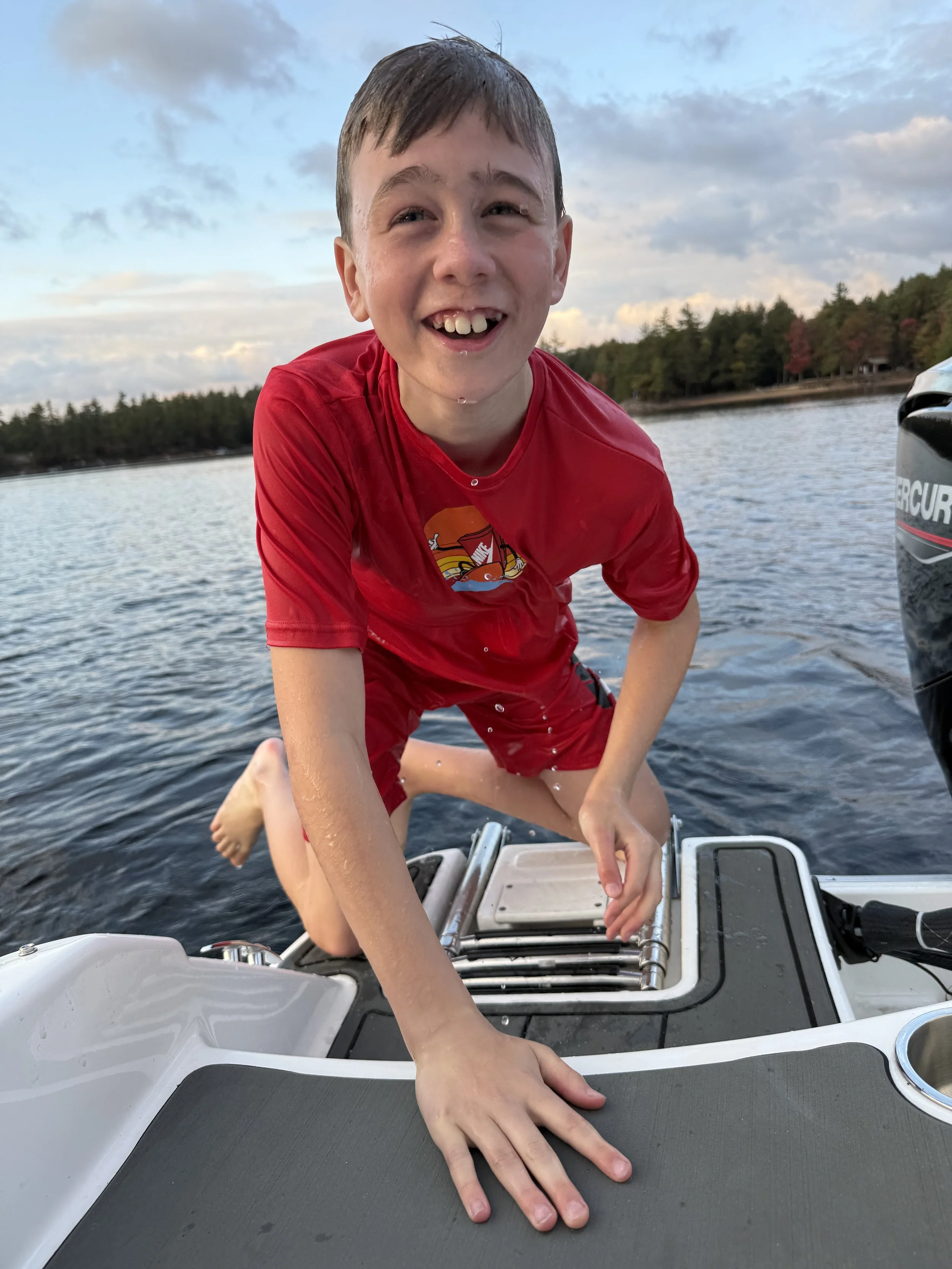
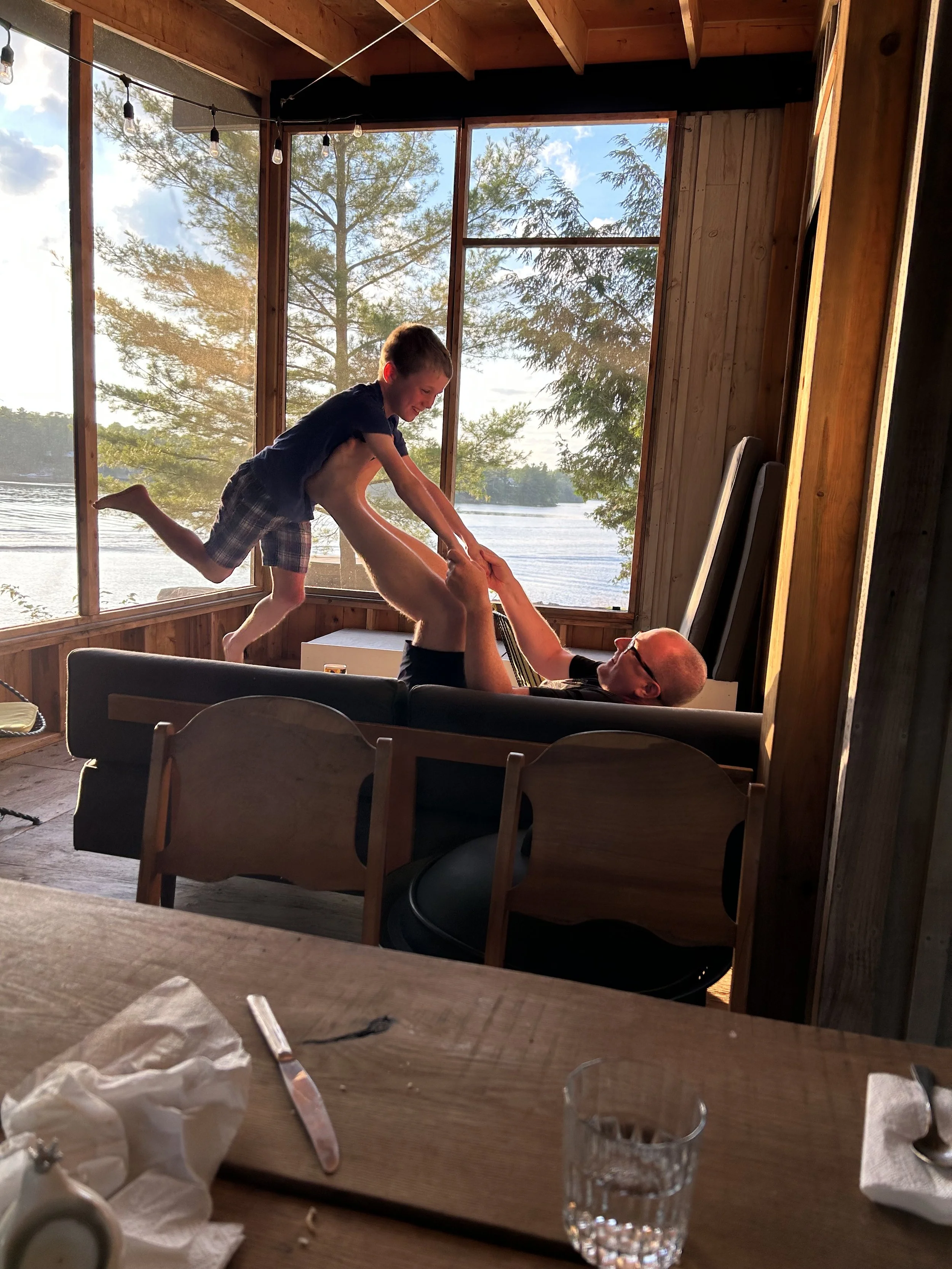
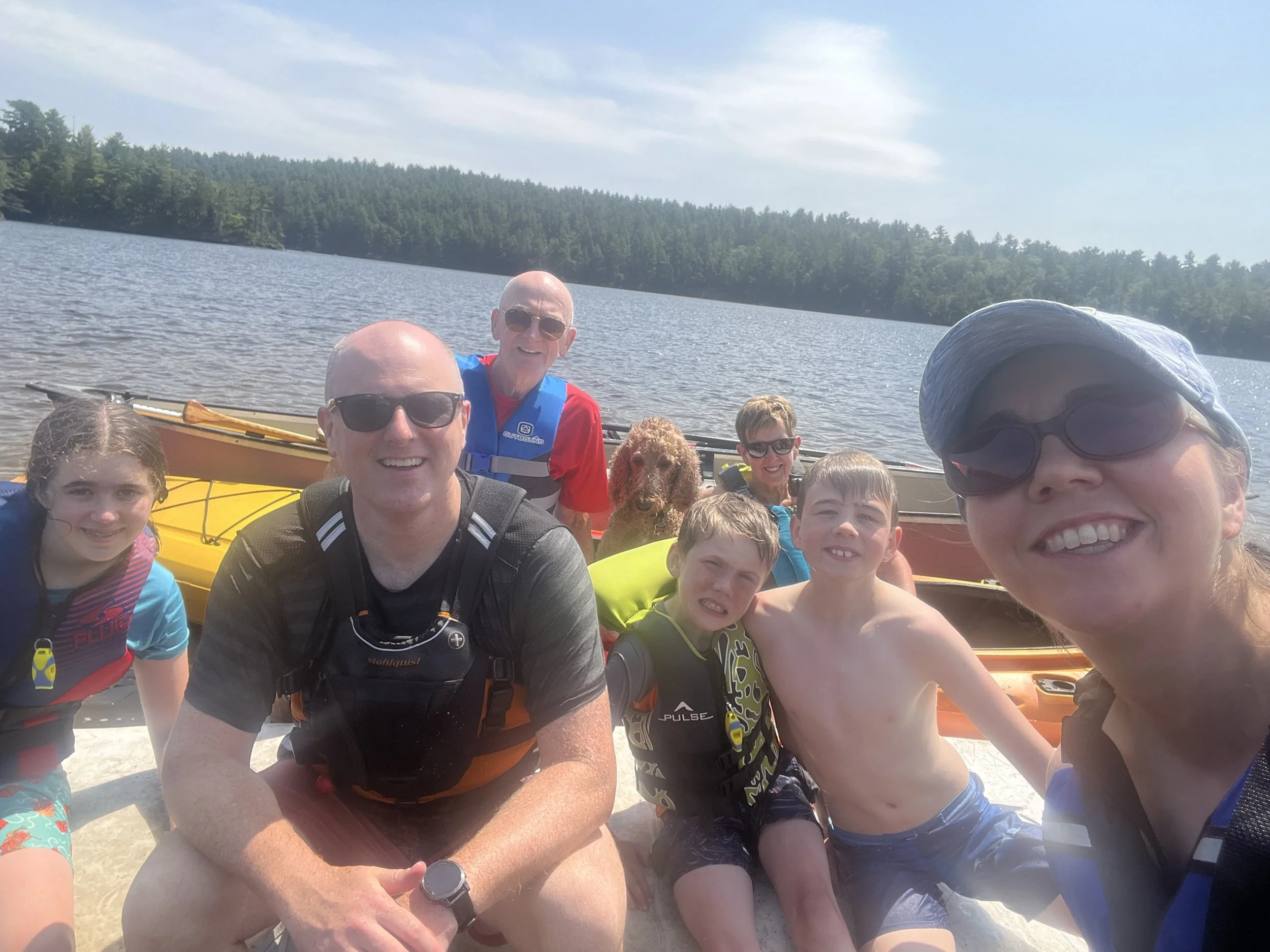
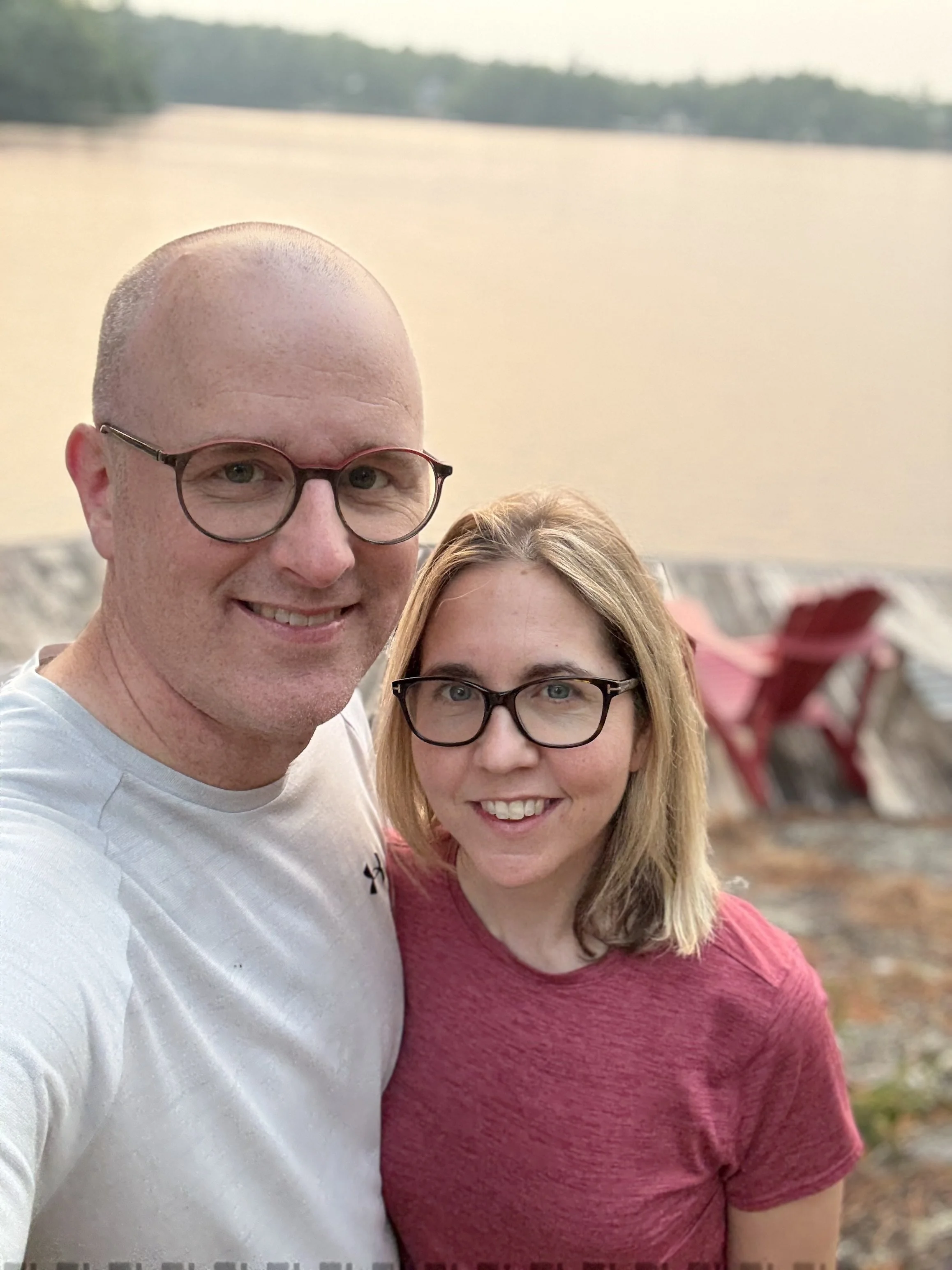
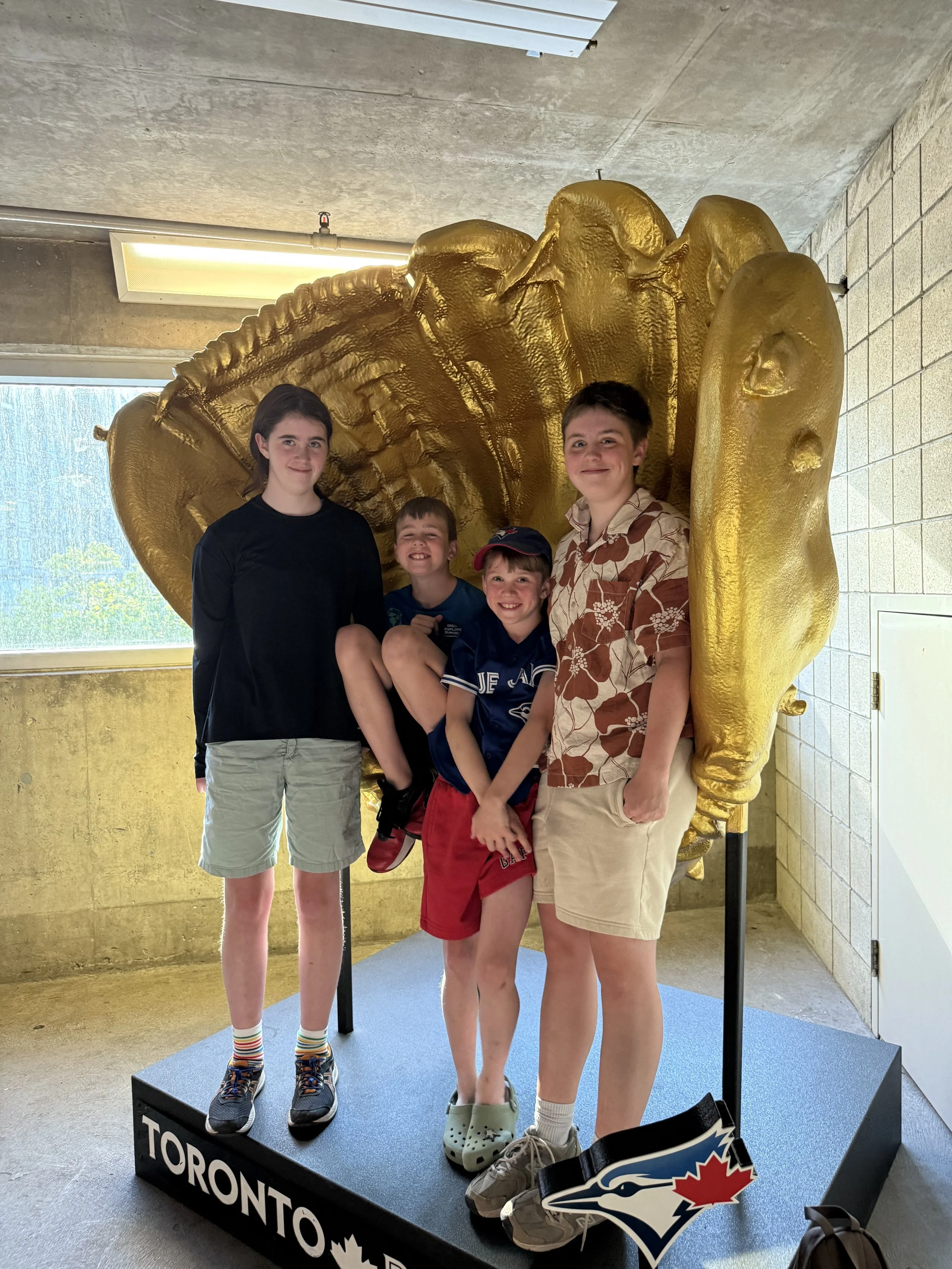
Parenting is where this work is most revealing for me. It is where my values are most tested and my patterns most visible. I am met there by the most forgiving, honest, and grounding partner I know. Michelle keeps us all in check and well supported. Our children are adventurous, courageous, and wonderfully loud, sharing that talent freely with their dad. Family fills my life with love.
That love matters. When I come to work carrying it, I meet complexity differently. Even in a post-pandemic world where patients, colleagues, and children are exhausted, love does not remove difficulty, but it makes it possible to stay.
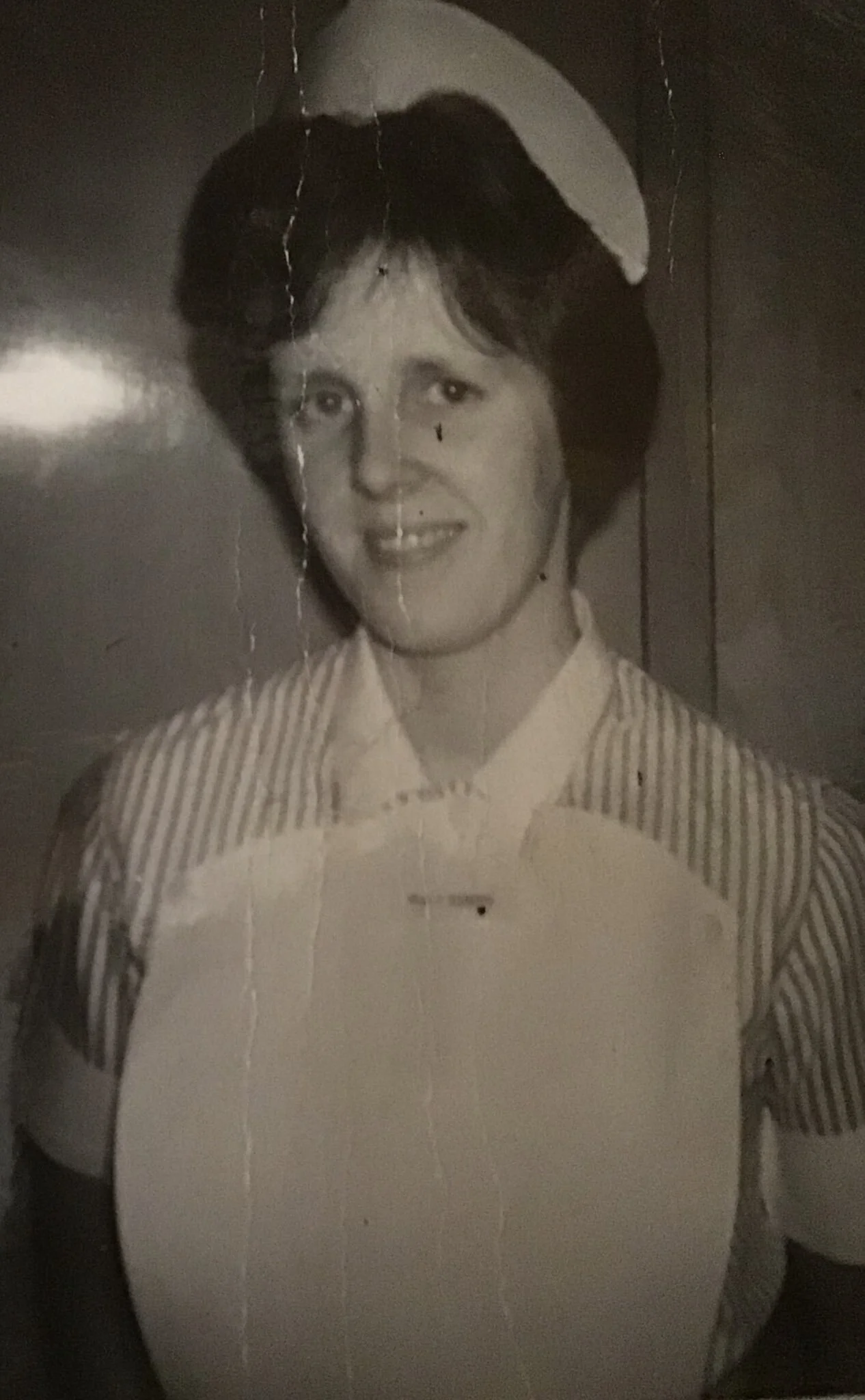
My mother is a retired nurse, and her influence runs through my daily work. She taught me, by example, what it means to put the patient at the centre with discipline, humility, and care. I am a product of value-based care long before I had language for it, and I remain grateful for the lessons my parents passed on and that I hope to pass forward.
Trust as a condition of leadership
Trust is not a soft add-on to leadership. It is a structural condition.
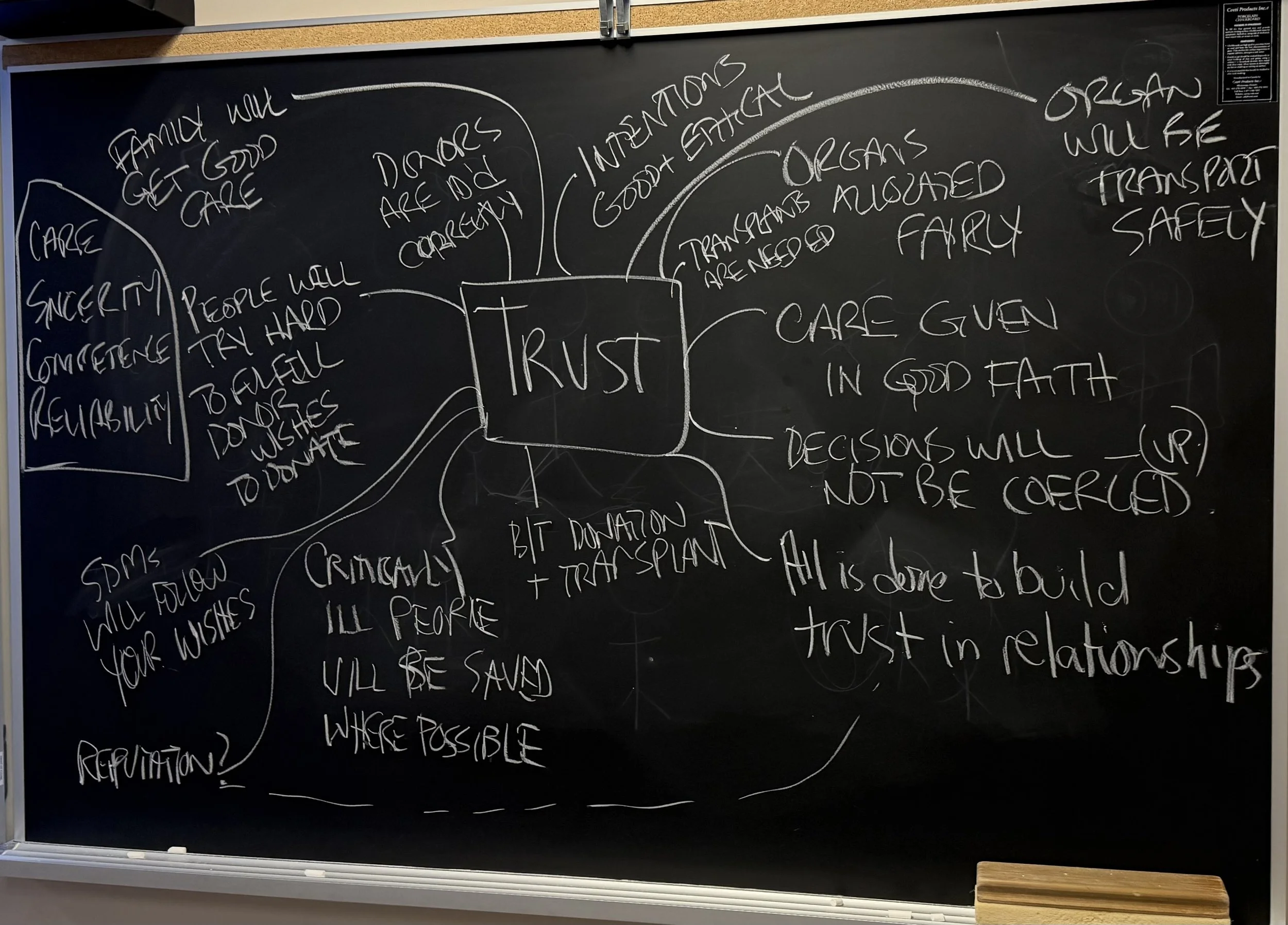
Charles Feltman’s work helped me articulate something I had felt but not named: trust as the choice to make oneself vulnerable to another person’s actions, based on confidence in their integrity, intentions, and capabilities. In adaptive work, trust is both fragile and essential. Without it, people protect themselves. With it, they can stay present long enough to learn.
Trust is built through consistency, clarity, and repair. It grows when people experience honesty without humiliation, challenge without abandonment, and authority that does not collapse under pressure. Much of my work, whether teaching, consulting, or facilitating, is about creating the conditions where trust can survive heat.
Learning to see my own patterns
Over time, I began to notice how my values were easiest to name and hardest to live precisely when the stakes were highest. Generosity narrowed under pressure. Courage became urgency. Excellence slid into over-functioning.
These were not moral failures. They were adaptive responses that had quietly become habits.
This recognition led me to the work I describe elsewhere as Lines of Code. Under repeated stress, we develop internal scripts that shape what we notice, how we interpret situations, and how quickly we move to action. Some of those lines protect us. Others limit what we can tolerate or imagine.
Learning to see those patterns changed how I understood responsibility and choice, especially in moments of conflict, disappointment, or loss. It also changed how I teach.

Holding, non-defensive defense, and love under pressure
Staying with discomfort requires a holding environment. In Ron Heifetz’s metaphor, it is the pot that allows heat to be applied without the work spilling over or burning everyone involved. Without heat, nothing changes. With too much, people withdraw, defend, or disengage.
One practice that has become increasingly central to my work is non-defensive defense. It is the discipline of staying engaged without reflexively protecting identity, authority, or self-image when values are challenged. It is not passivity. It is not accommodation. It is the practice of holding ground without hardening.
This is where trust, values, and identity collide. It is also where love is most at risk and most necessary. I continue to learn this practice rather than claim mastery of it.
Influences and lineage
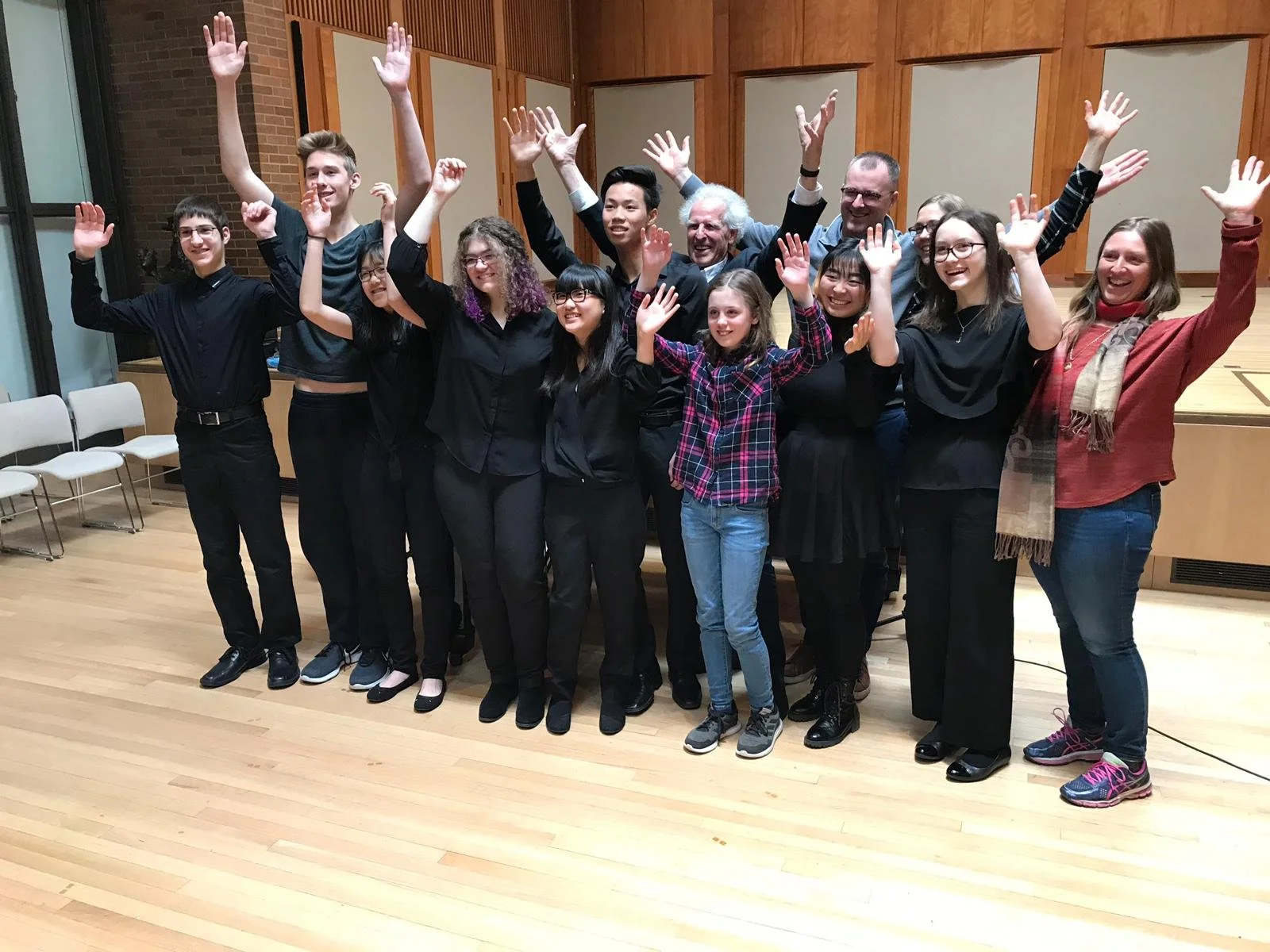
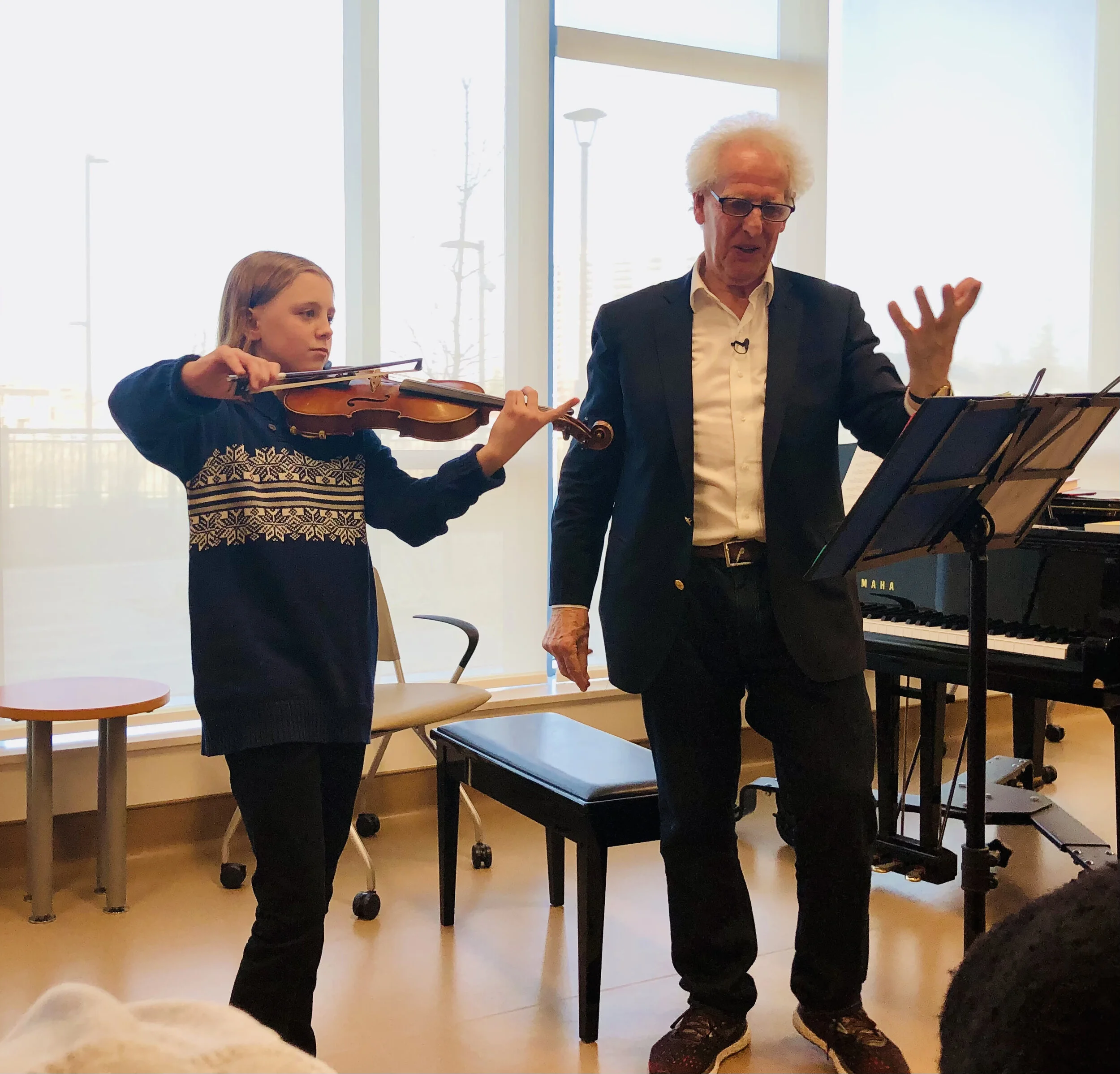
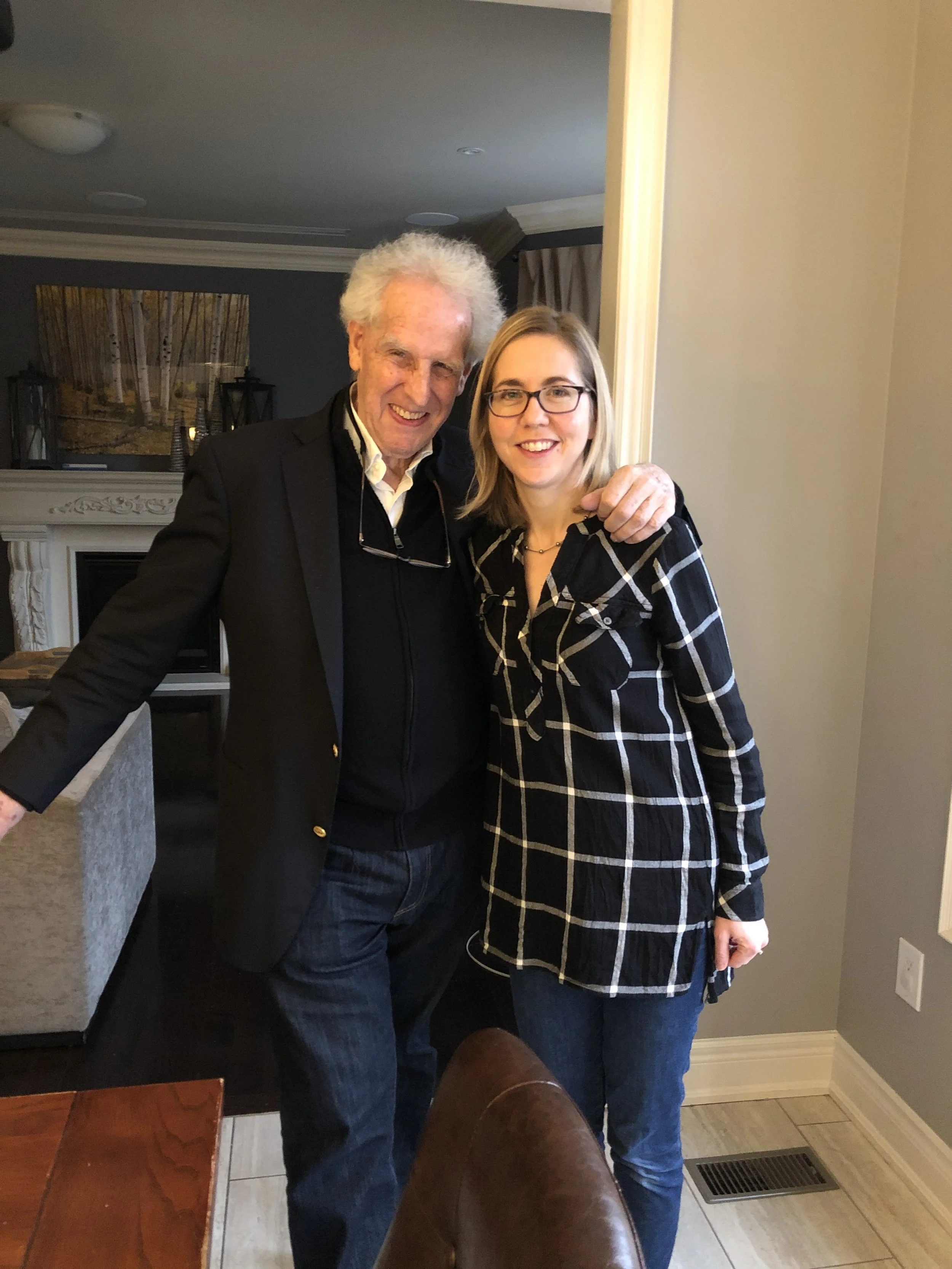
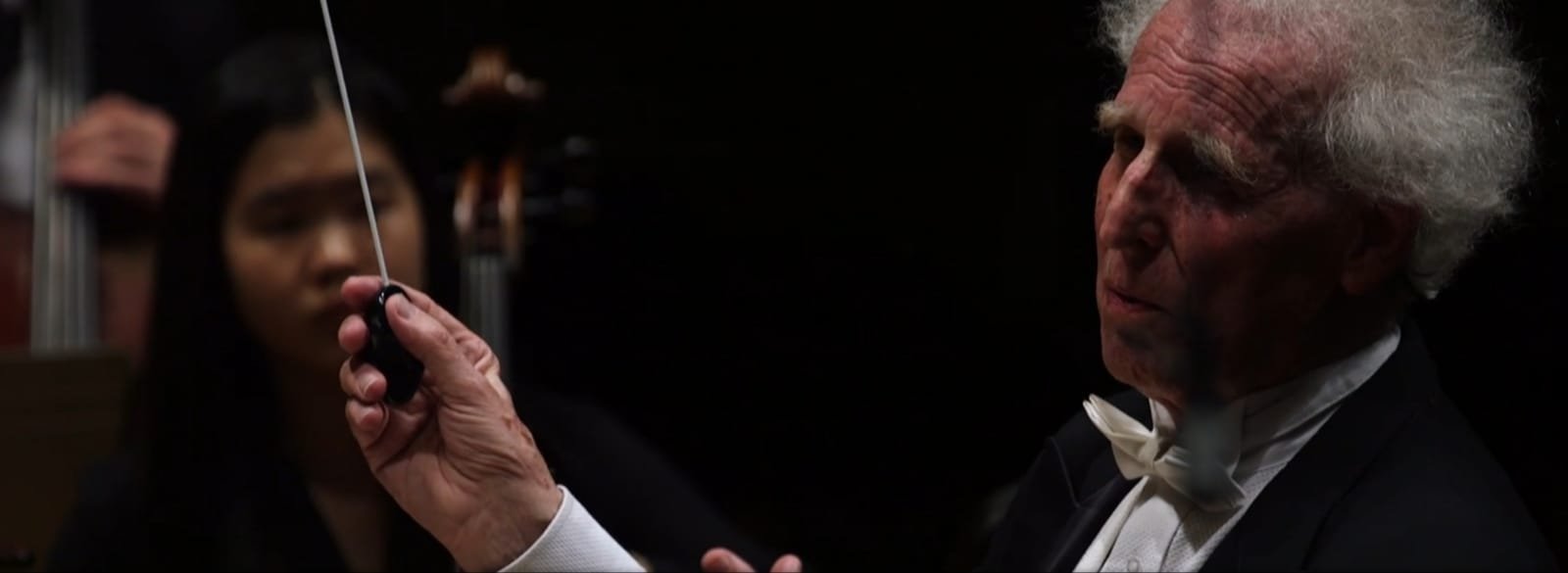
I am deeply influenced by Ben Zander and Rosamund Stone Zander’s work on possibility, contribution, and leadership as a way of being. From Ben, I learned that leadership is not primarily analytical. It is musical. It lives in listening, timing, and belief in others.
I am also shaped by Brené Brown’s work on vulnerability, clarity of values, and brave leadership. Her insistence that courage is learned and practiced resonates deeply with adaptive leadership and with my lived experience in health care and education.

Where this leads
Today, my work sits at the intersection of health systems, education, and leadership development. Through teaching, consultation, and the True North Leadership Lab, I try to help people slow down, see more clearly, and take responsibility for the work that only they can do.
The pages on leadership values, lines of code, holding environment, and non-defensive defense are not separate ideas. They are different lenses on the same practice. Together, they describe how I am trying to live and teach leadership in a way that is honest about cost, grounded in trust, and oriented toward learning rather than control.
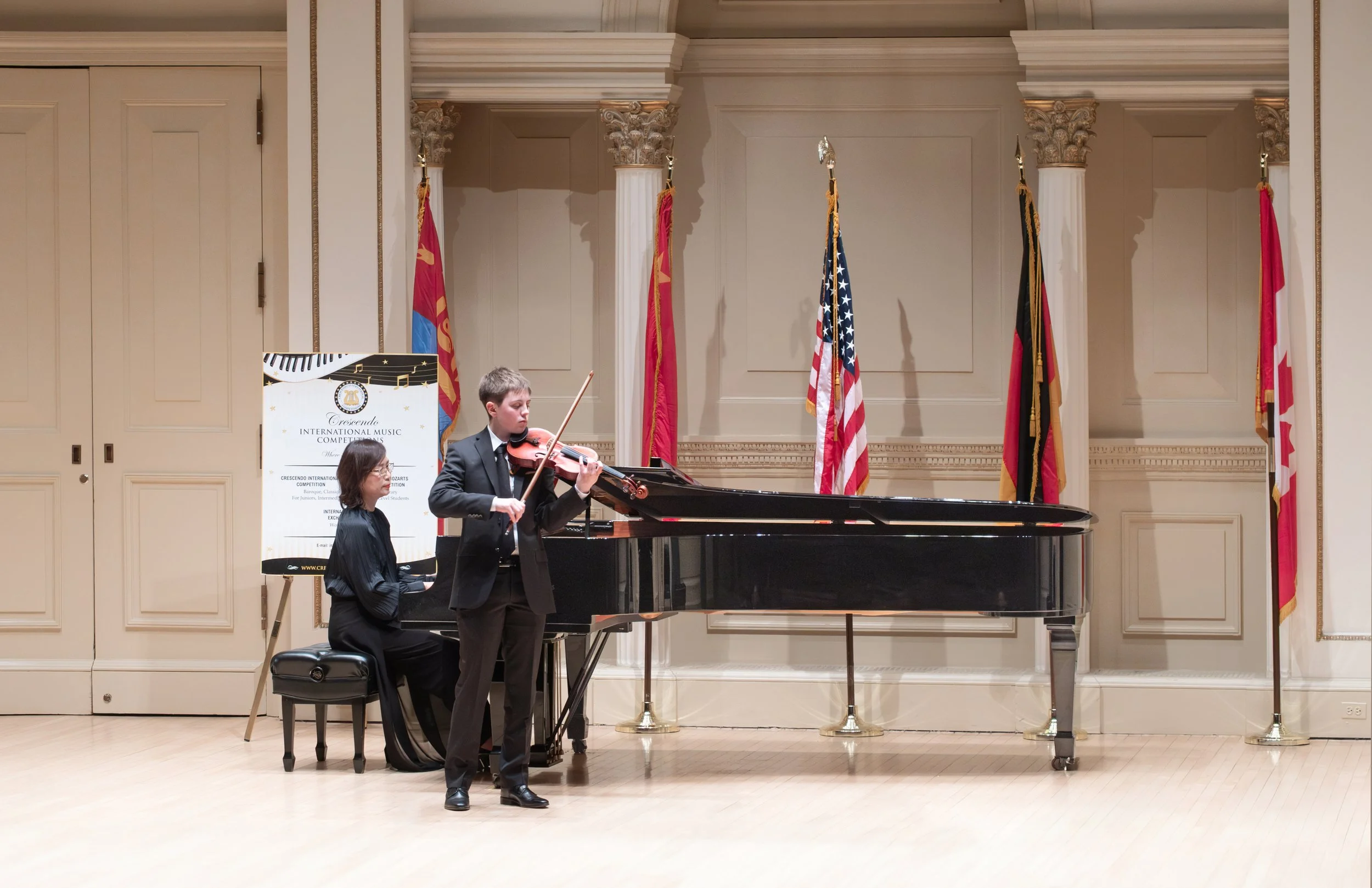
The pictures here represent the largest measures of joy in my life.